
3 Ways to Protect Your Home From Wildfire Smoke
Practical context for keeping smoke outside, filtering particles, and using portable air cleaners.
Getting the level of toxic particles from smoke down in your home often involves a mix of filters and ventilation.
Go deeper with reporting on healthier homes and indoor air quality.
9 articles
Practical context for keeping smoke outside, filtering particles, and using portable air cleaners.

A look at smoke pollutants and the challenges they pose for home air systems.
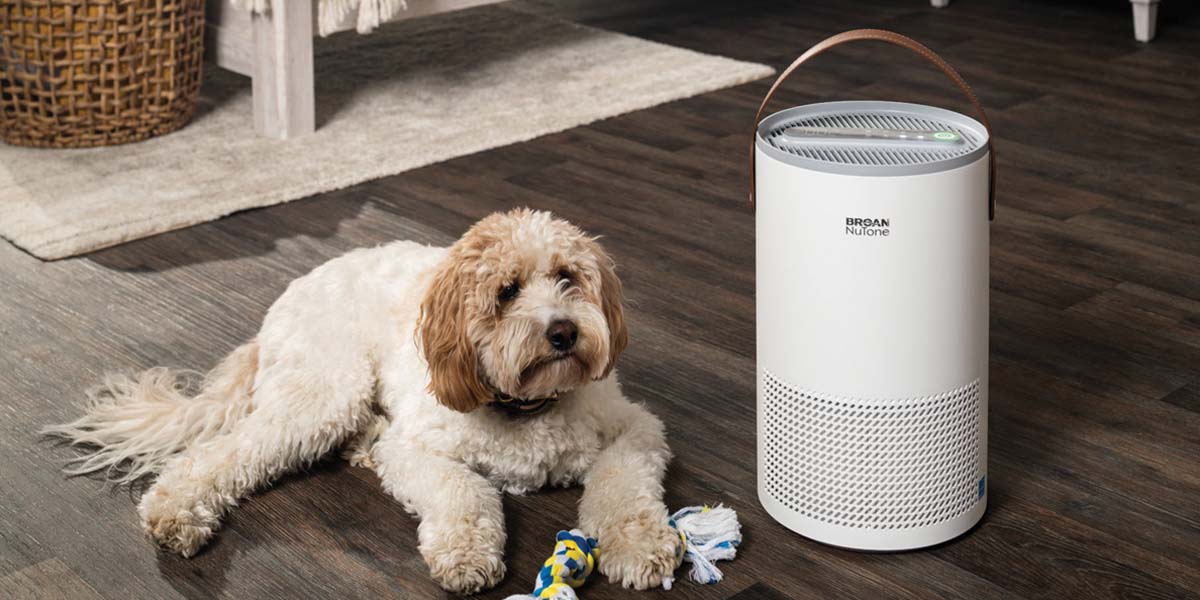
How filtration, monitoring, and preparation fit into a healthier home.
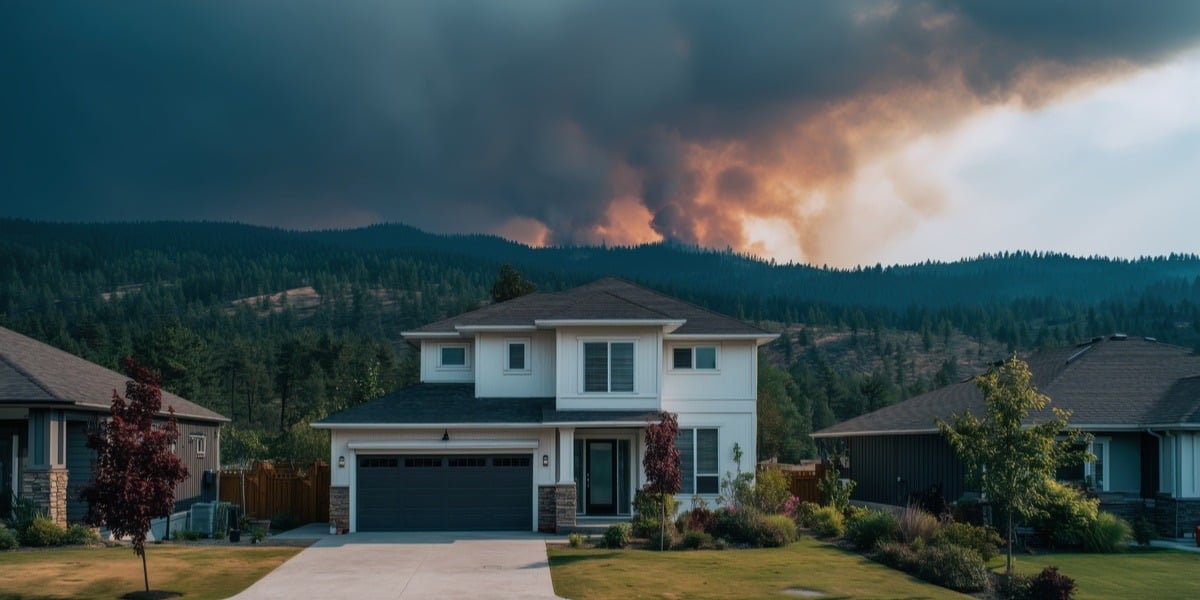
Explore the relationship between indoor air, ventilation, and filtration.
Why an efficient home also needs a deliberate approach to incoming air.

An example of integrating higher-efficiency filtration into home design.
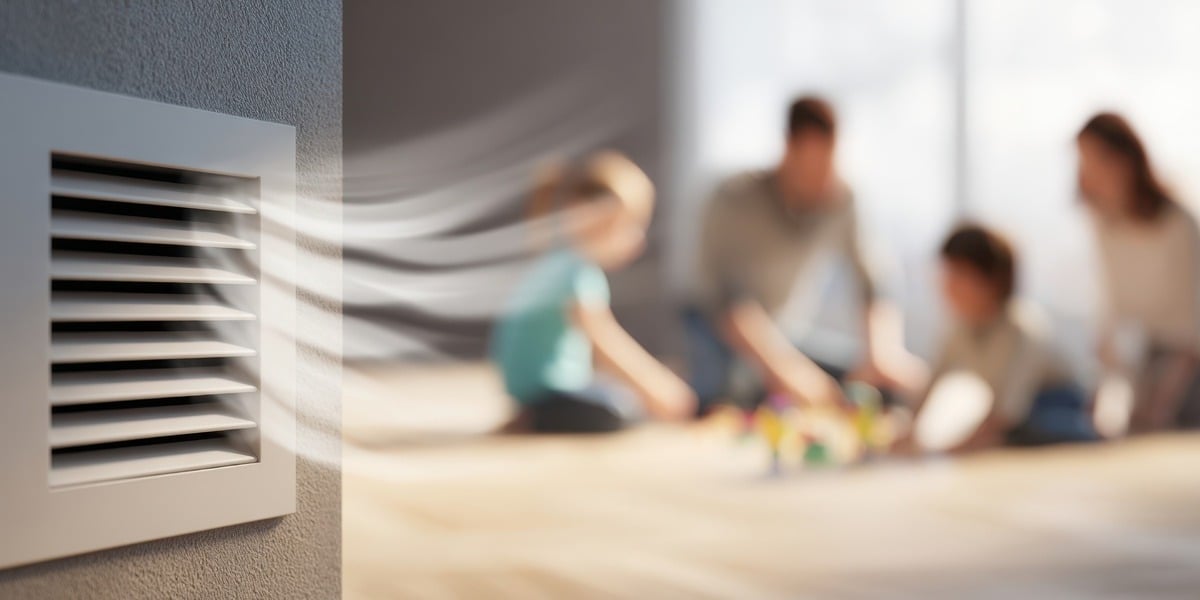
A webinar overview covering ventilation, filter selection, and verification in tighter homes.
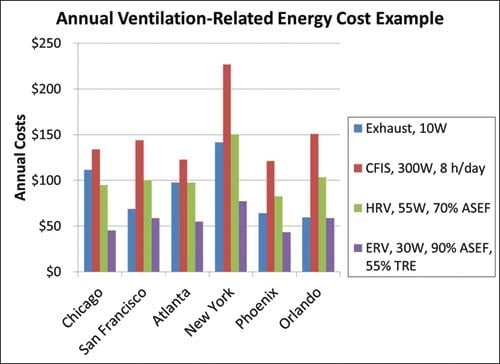
Compare exhaust, supply, and balanced ventilation approaches in this archive guide.

A short video introduction to the factors that shape indoor air quality.
Articles retain their original publication context and may include sponsor-supported products or older prices. Equipment advice in your plan follows the technical sources linked in our methodology.
Smoke combines fine particles with gases. Particle filters address the particles; some gases need substantial, purpose-designed sorbent media. No household purifier removes every smoke pollutant. A fading odor is not a reliable clearance test.
Wildfire Season is Coming. Are You Ready?Read at Green Builder Media · opens in a new tabCheck gaps around doors, windows, and window AC units. Use appropriate seals without obstructing exits, combustion air, or required ventilation. Reducing indoor pollution sources is useful too. Follow local instructions, and do not stay in an overheated home just to keep windows shut.
3 Ways to Protect Your Home From Wildfire SmokeRead at Green Builder Media · opens in a new tabMERV describes filter capture across tested particle-size bands. MERV 13 is a useful smoke upgrade when compatible with the HVAC system. HEPA is a separate high-efficiency standard; it does not mean a unit moves enough air for every room. Fit, filter condition, and airflow all matter.
See the particle-size and filter comparisonWildfires Make Indoor Air Quality a Top Priority for HomeownersRead at Green Builder Media · opens in a new tabLook for tobacco-smoke CADR in cubic feet per minute (cfm), rather than marketing coverage alone. Our tool follows AHAM’s wildfire rule of smoke CADR at least equal to floor area at an 8-foot ceiling, increasing it for taller rooms. Separate rooms need separate consideration. Published ratings often reflect the highest, loudest speed.
Read AHAM’s sizing guidanceBath fans and vented range hoods can draw replacement air through leaks or make-up-air openings. A recirculating hood behaves differently. ERVs, HRVs, and supply intakes bring in outdoor air, but their filters vary. Check the actual supply-filter rating and manufacturer’s smoke-event instructions. Do not assume a grease screen or coarse filter captures fine smoke. Limit unnecessary exhaust while managing moisture and cooking emissions; never disable required combustion ventilation.
Tight Homes Demand Smarter VentilationRead at Green Builder Media · opens in a new tab Investing in Healthy Flow for Every SeasonRead at Green Builder Media · opens in a new tabPick a room that can stay comfortably cool, with space for an unobstructed cleaner. Run it at a useful speed and follow its placement directions. A closed door can help isolate the space, but this does not make the room smoke-proof or establish that it is safe to remain during an emergency.
EPA: create a cleaner-air roomA fan-and-filter cleaner can reduce particles when a rated commercial unit is out of reach. Follow EPA’s illustrated instructions, use a newer safety-certified fan (2012 or later, with a UL or ETL mark), and follow the fan manufacturer’s directions. Performance varies with design, filter, and sealing; our tool does not assign an unmeasured DIY unit a CADR.
EPA: DIY designs and fan safetyInspect filters during smoky periods and follow replacement directions. Restore appropriate ventilation when outdoor air improves. Ash, burned materials, or persistent contamination after a nearby fire may need professional assessment and cleanup. An air cleaner is not a substitute for that work.
Healthy Home: Clearing the AirRead at Green Builder Media · opens in a new tabEducational guidance, reviewed October 19, 2026. Follow local emergency instructions and your equipment manufacturer’s requirements. Sources and methodology.
Your space. Your equipment. Your clean-air plan.